
News
UAE September 2026 Fuel Prices: What Drivers and Fleet Operators Should Expect
Key Highlights
- UAE September 2026 fuel prices will be announced on August 31, after August brought increases of 5.56% to 6.23% across all petrol and diesel grades.
- Diesel rose to AED 3.80 per litre in August, up from AED 3.60, and is now well above its December 2025 level of AED 2.85.
- Brent crude fell 2.7% to around $88 a barrel on August 25, its second straight daily decline after a strong 13-of-14-session rally, improving the outlook for September.
- OPEC+ plans to add 188,000 barrels per day of supply from September, which could support stable or slightly lower pump prices next month.
UAE motorists are heading into another month of price uncertainty at the pump.
The Fuel Price Committee is due to announce September 2026 rates on August 31, with new prices typically taking effect at the start of the following month.
After a sharp jump in August, everyone from daily commuters to diesel fleet operators wants to know one thing: will prices rise again, or is relief finally on the way?
August’s Price Jump, By The Numbers
August brought a clear increase across every fuel grade sold in the UAE. E-Plus 91 climbed to AED 3.41 per litre, up from AED 3.21 in July. Diesel rose to AED 3.80 per litre, compared with AED 3.60 the month before.
Special 95 moved up to AED 3.49 from AED 3.29, while Super 98 increased to AED 3.60 from AED 3.40. None of these changes were small.
Measured month on month, Super 98 rose 5.88%, Special 95 rose 6.08%, E-Plus 91 rose 6.23%, and diesel rose 5.56%. That is a broad-based increase, not a shift limited to one fuel type.
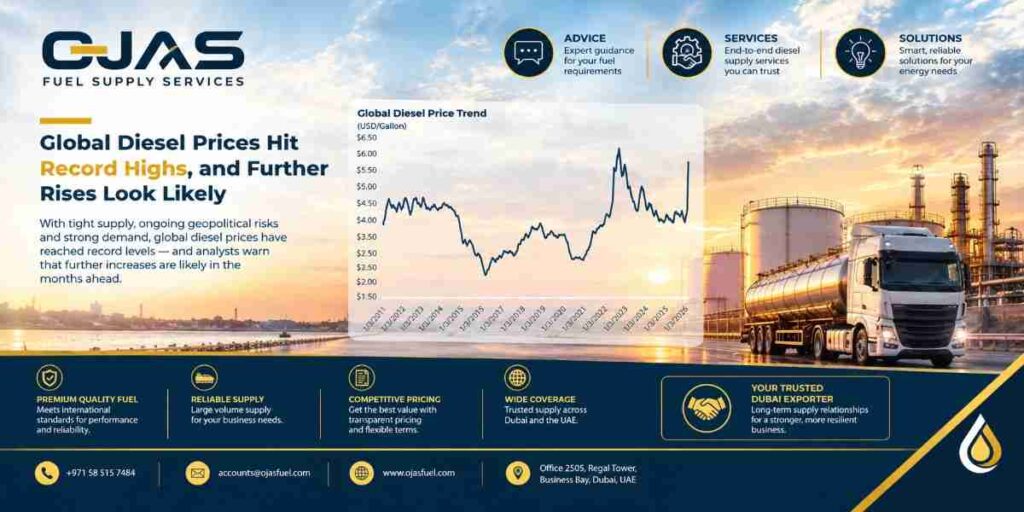
The bigger story shows up when you zoom out. Back in December 2025, E-Plus 91 cost just AED 2.51 per litre and diesel was AED 2.85. Today’s prices are significantly higher across the board.
A Volatile Year At The Pumps
2026 has not followed a simple upward line. Prices actually fell in January and February before edging higher in March.
Then came a sharper move. April, May, and June saw substantial increases as the ongoing US-Israeli war on Iran disrupted global oil markets and unsettled shipping through the Strait of Hormuz.
Prices eased again in July, offering drivers a brief pause, only to climb once more in August. That back-and-forth pattern is exactly why the September announcement carries so much weight this time.
Why Oil Prices Keep Swinging
Brent crude averaged around $87.70 a barrel in August, up from $83.46 in July, according to Khaleej Times.
That difference alone explains much of August’s fuel price hike, since the UAE benchmarks its monthly retail rates against international crude and refined product prices.
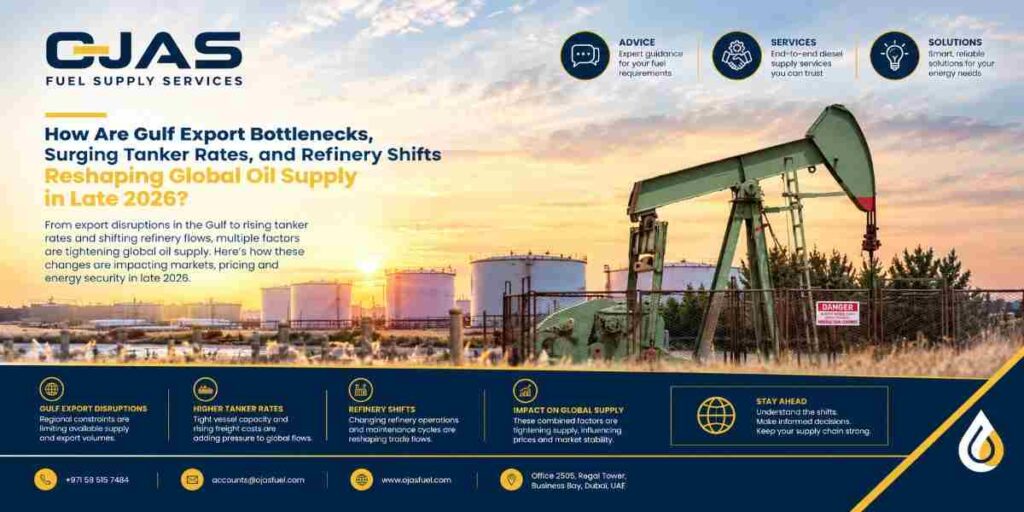
The volatility traces back to the same root cause: physical supply risk in the Gulf.
Naeem Aslam, chief investment officer at Zaye Capital Markets, told Khaleej Times that tanker traffic through the Strait of Hormuz is still heavily disrupted, keeping the market highly sensitive to any development that threatens Iranian exports, regional shipping routes, or refinery access.
Washington’s latest move added to that pressure. The US government has unveiled fresh sanctions targeting Iran and its trading partners, a step that could further tighten oil supply if it succeeds in cutting off Iranian exports.
Vijay Valecha, chief investment officer at Century Financial, noted that around 40 tankers moved through the Strait on a recent Friday night, carrying nearly 16 million barrels, offering some short term relief.
But he cautioned that flows remain very low, while rising tensions around the Strait and tougher US sanctions on Iran and its trading partners keep supply risks elevated.
A Possible Turning Point For September
Here is where things get interesting for anyone hoping for cheaper fuel. Brent crude fell as much as 2.7% to around $88 a barrel on August 25, its second straight daily decline after an unusually strong rally of 13 gains in 14 sessions, according to Gulf News.
That pullback matters because the UAE’s monthly fuel price calculation depends on the average crude price recorded across the whole month, not a single day’s number. A sustained dip in the final week of August could soften September’s increase, or even bring prices down slightly.
Adding to that possibility, OPEC+ members including Saudi Arabia and Russia have agreed to raise combined output by 188,000 barrels per day starting in September. Extra supply reaching the market could ease upward pressure on prices further.
Still, nothing is settled. Brent swung between $72 and $102 a barrel last month alone, a difference of roughly 42%, showing just how quickly sentiment can flip on any fresh headline from the region. Analysts note there is not yet enough information to reliably forecast an exact price per litre for September.
How The UAE Sets Fuel Prices
The UAE has followed a market-linked fuel pricing system since 2015, when it moved away from fixed, subsidised rates. The Fuel Price Committee, working under the Ministry of Energy and Infrastructure, reviews rates at the end of every month.
There was one notable pause in that system. The Committee froze petrol prices in 2020 during the Covid-19 pandemic, before lifting controls in March 2021 as global oil prices began climbing again. Since then, domestic pump prices have tracked international markets closely, month after month.
New rates are typically announced on the last day of the month, giving businesses and drivers only a few days to plan around each change.
What This Means Beyond The Pump
For everyday drivers, a few fils per litre might feel like a minor inconvenience. For businesses that run on diesel, including logistics fleets, construction operations, and fuel trading companies, these monthly swings translate directly into operating costs and procurement decisions.
At OJAS, we track this data every month because our partners depend on accurate, timely fuel cost intelligence to plan ahead. A 5 to 6% swing in diesel prices, repeated across several months, adds up to a meaningful line item on any balance sheet.
The September announcement, due August 31, will be a genuine test of direction. Whether it brings relief or another increase, one thing is certain: UAE fuel prices in 2026 have made close monitoring more important than ever.